ENGINEERING GUIDE
Inspection Checklist for Long Ceramic Rollers and Hollow Tubes
Define datums, working zones, surface requirements and evidence before production begins.
Define datums, working zones, surface requirements and evidence before production begins.
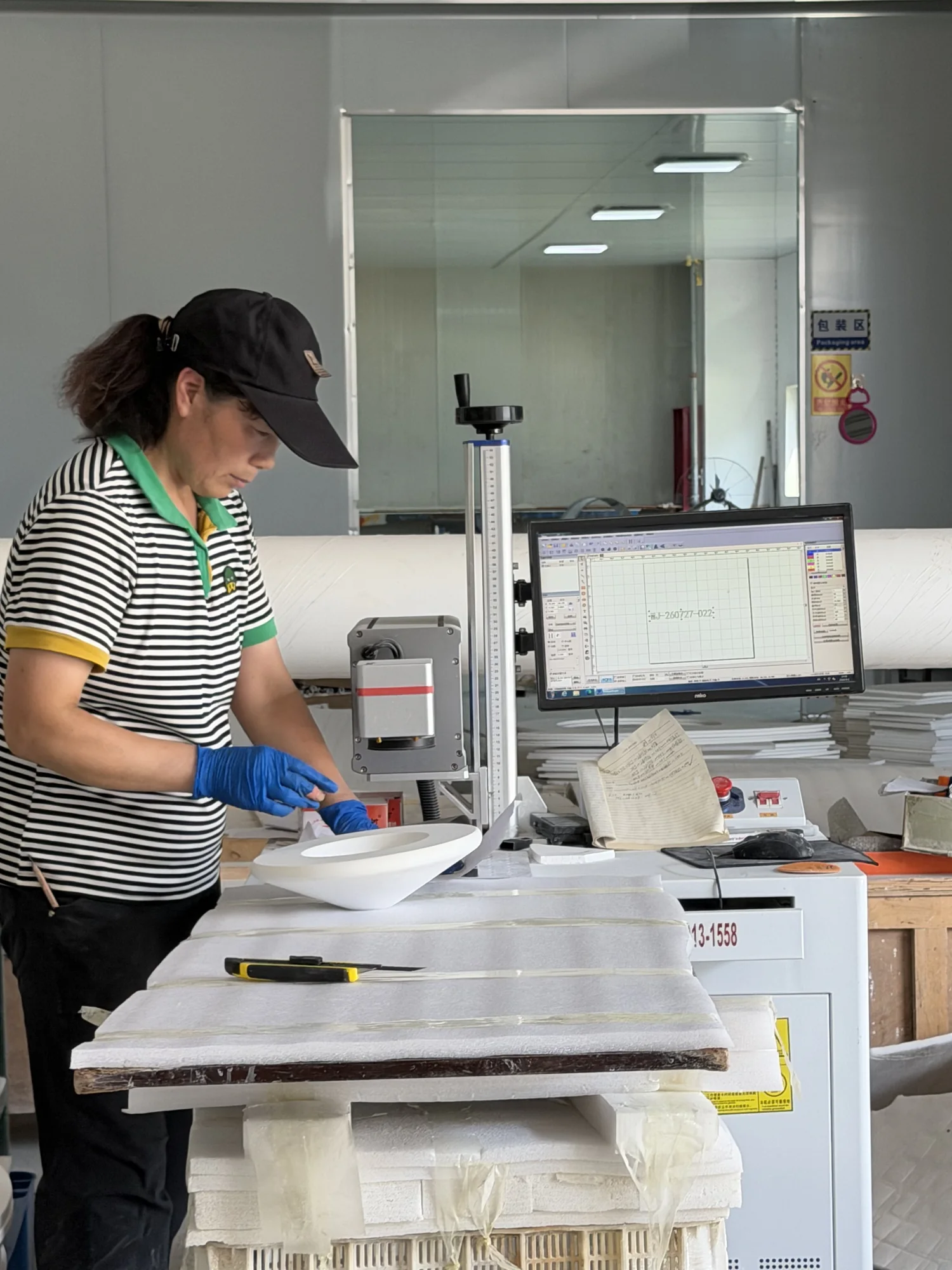
Long ceramic rollers and hollow tubes can look simple while depending on several interacting measurements. The inspection plan should identify what is measured, where it is measured and which datum or support method is used.
Dimensions that usually need definition
- Outside diameter and working diameter zone
- Overall length and effective working length
- Inside diameter, wall thickness and internal bore geometry
- End steps, shoulders, metal fittings or shaft interfaces
- Hole size, location and multi-bore patterns
Straightness and radial runout are not the same request
Straightness evaluates the axis or surface form. Radial runout is measured relative to a datum axis during rotation. The drawing should identify the datum, support method, measured zone and allowable value.
Surface condition on the working area
For conveying or glass-contact applications, distinguish the working surface from non-contact zones. State the required finish, visual standard, cleanliness expectation and measurement method.
End-interface inspection
When a ceramic body connects to a metal fitting or drive component, the inspection plan should cover interface diameters, engagement length, concentricity, shoulders and any bonded or mechanical connection feature.
Records to request before quotation
Depending on the project, useful records may include a dimensional report, material identification, visual inspection, batch reference and packaging photographs. The exact document set should be agreed before production.
Recommended drawing notes
- Identify the working surface and critical zones
- Mark datums and inspection method
- Separate general and critical tolerances
- State surface and edge requirements
- Define the metal end fitting or mating-part interface
- List required documents and sampling
Frequently asked questions
Is Inspection Checklist for Long Ceramic Rollers and Hollow Tubes a fixed standard product?
Not necessarily. Ceramic grade, geometry, interfaces, quantity and acceptance criteria may change the manufacturing route. The project should be reviewed against the current drawing and service conditions.
What information should be included in the first enquiry?
Send the available drawing or dimensional sketch, material preference, operating temperature and atmosphere, quantity, critical features, inspection requirements and target delivery date.
Can final suitability be confirmed from website data alone?
No. Published information is a starting point for technical discussion. Final suitability and any acceptance values must be confirmed for the specific material grade, drawing and operating environment.
Have a live ceramic component project?
Send the drawing, quantity, operating conditions, critical dimensions and document requirements for an initial feasibility review.