Industrial Ceramic Products
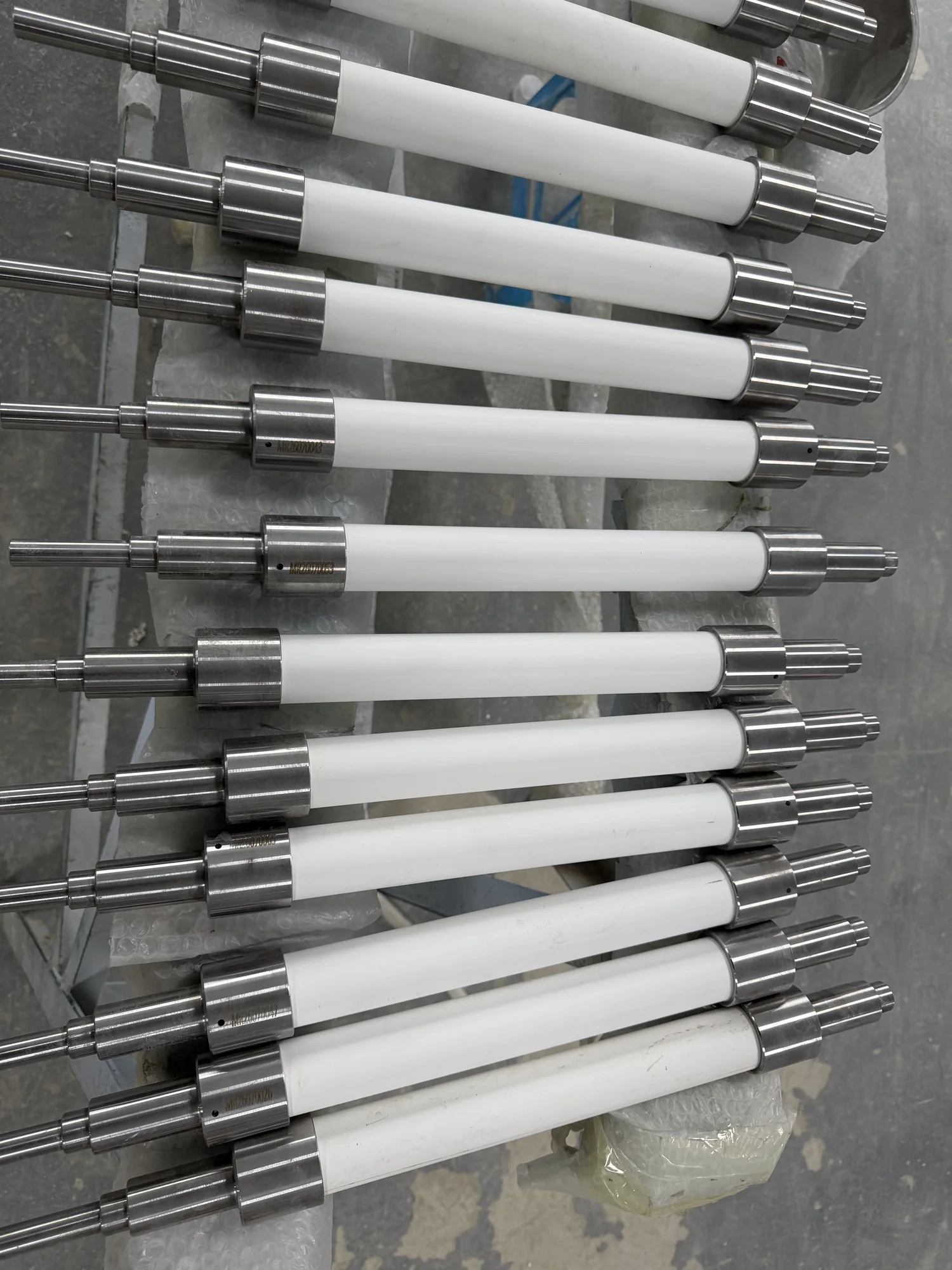
Browse real fused silica and alumina component forms produced for thermal processing, glass, furnace, steel, semiconductor, solar and defense-related equipment.
Materials
Fused silica and alumina.
Supply Basis
Drawing, sample or agreed component geometry.
Production Range
Standard forms and custom engineered shapes.
Buyer Input
Application, quantity, critical dimensions and records.
Industrial Ceramic Product Range
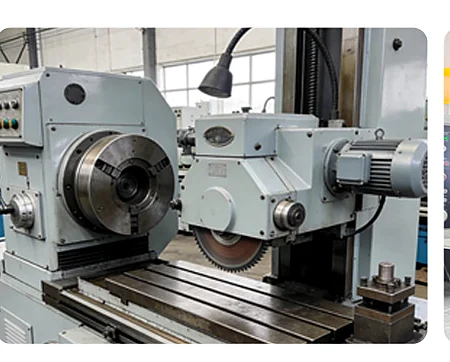
The available range includes solid and hollow rollers, tubes, plates, rings, rods, furnace components and custom shapes. Material grade, dimensions and acceptance criteria are reviewed for each project.
- Choose the closest component type below
- Record temperature, load, atmosphere and mating conditions
- Provide a drawing or clearly marked dimensions
- State quantity, inspection documents and delivery target
Browse the Core Product Range
Browse the available product forms, then submit the drawing, operating conditions and quantity for review.
Solid and hollow rollers for glass, furnace and thermal-process lines.
Large hollow components, furnace tubes and drawing-based cylindrical parts.
Machined plates, perforated plates, setters and large flat components.
More Ceramic Component Types
Non-standard component forms can be reviewed from a drawing or physical sample.
Supports, covers, linings and custom components for high-temperature equipment. View details →
Non-standard fused silica and alumina parts produced after engineering review. View details →
Information Required for a Useful Quotation
For quotation, provide the latest drawing, service conditions, order quantity, critical characteristics and required inspection documents.
Industries and Operating Environments
Temperature, atmosphere, load, motion and contact conditions are reviewed together with the component geometry and material.
Rollers and furnace components for tempering, annealing and conveying.
Components for supporting, conveying and protecting loads at high temperature.
Hollow rollers and fixtures for repeated thermal cycles and controlled atmospheres.
Ceramic rollers and components for strip heat-treatment equipment.
From Requirement Review to Production
The production route is defined after reviewing the material, geometry, quantity, critical characteristics and inspection requirements.
Confirm service conditions, interfaces, critical features and missing information.
Compare realistic material and manufacturing routes for the part.
Manufacture to the agreed drawing, revision and inspection plan.
Verify agreed characteristics and protect the shipment for transport.
Products, Equipment & Inspection
Review actual components, production equipment and inspection resources from the manufacturing facility.
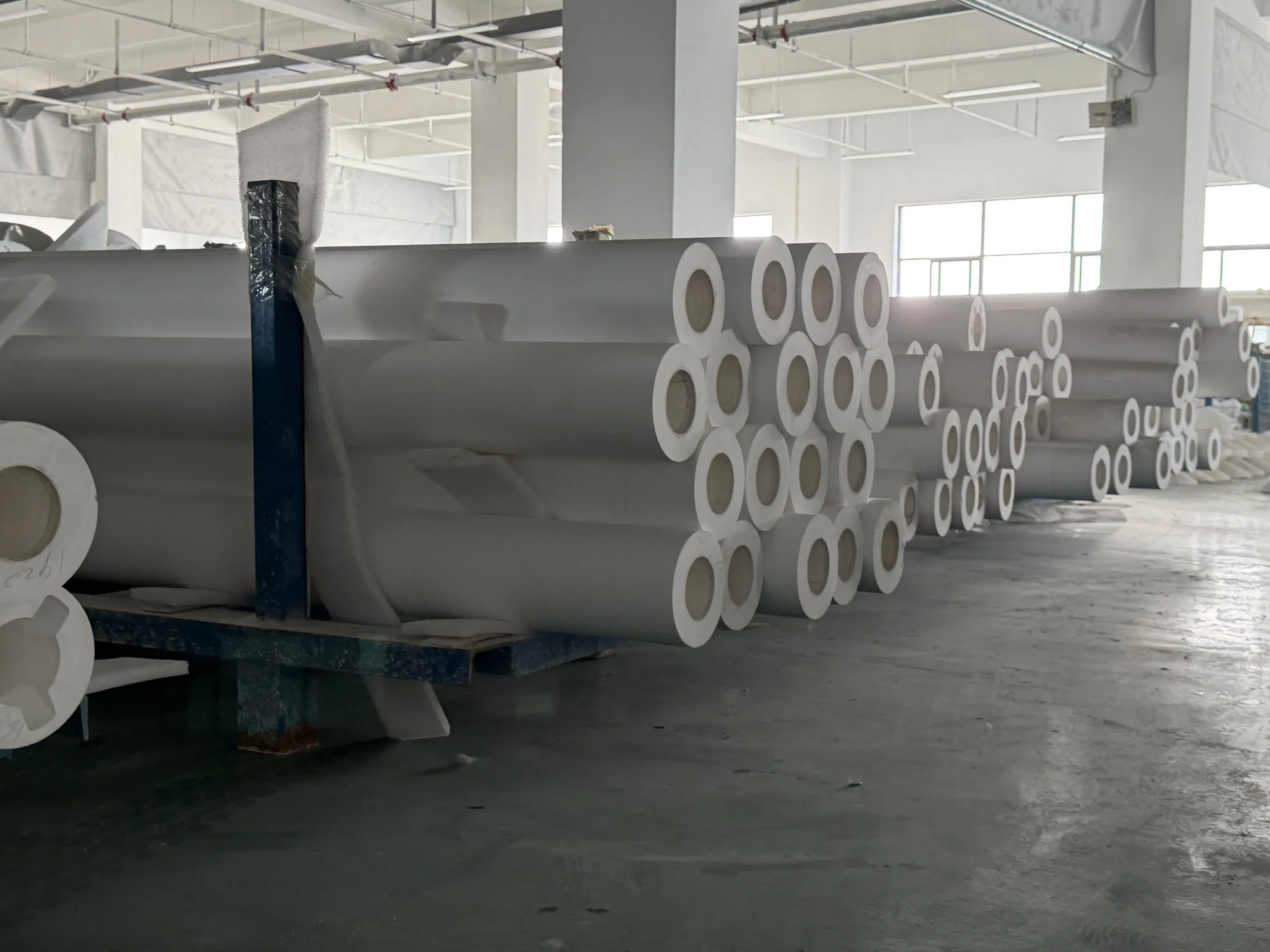
Finished Ceramic Roller Components
Large hollow ceramic tubes and rollers in the workshop.
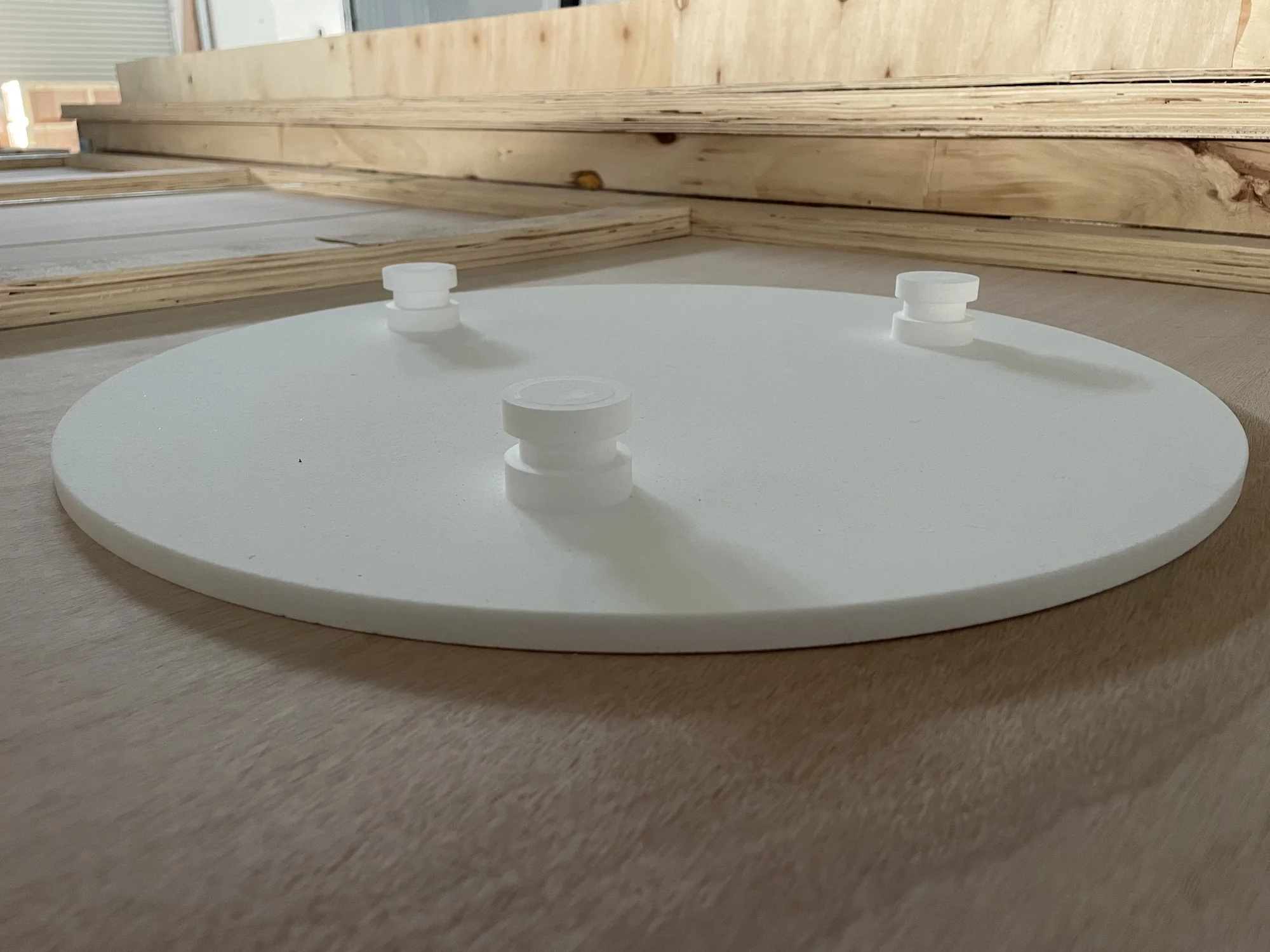
Ceramic Plate Component
Large machined technical ceramic plate.
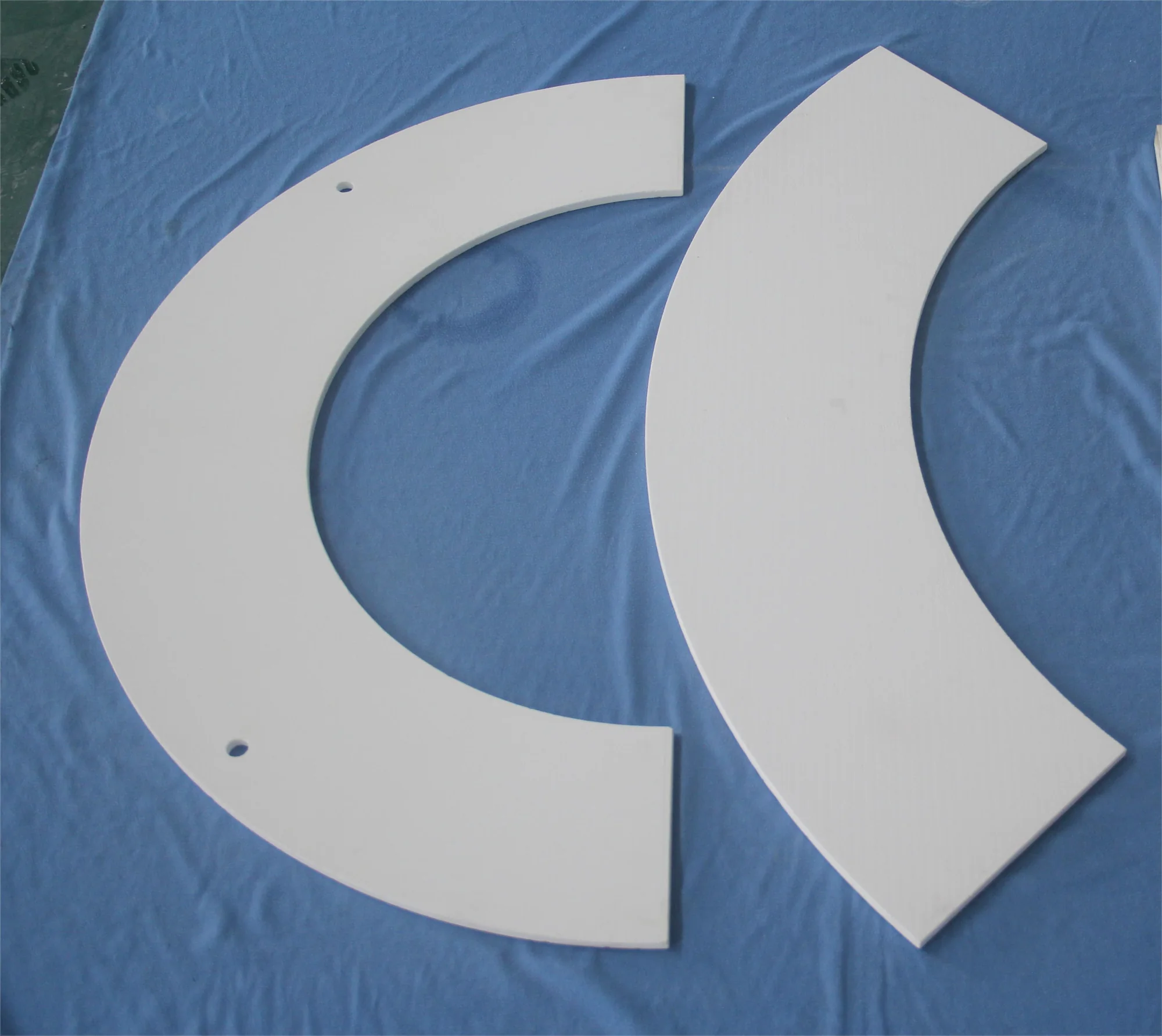
Shaped Ceramic Components
Custom shaped technical ceramic components.
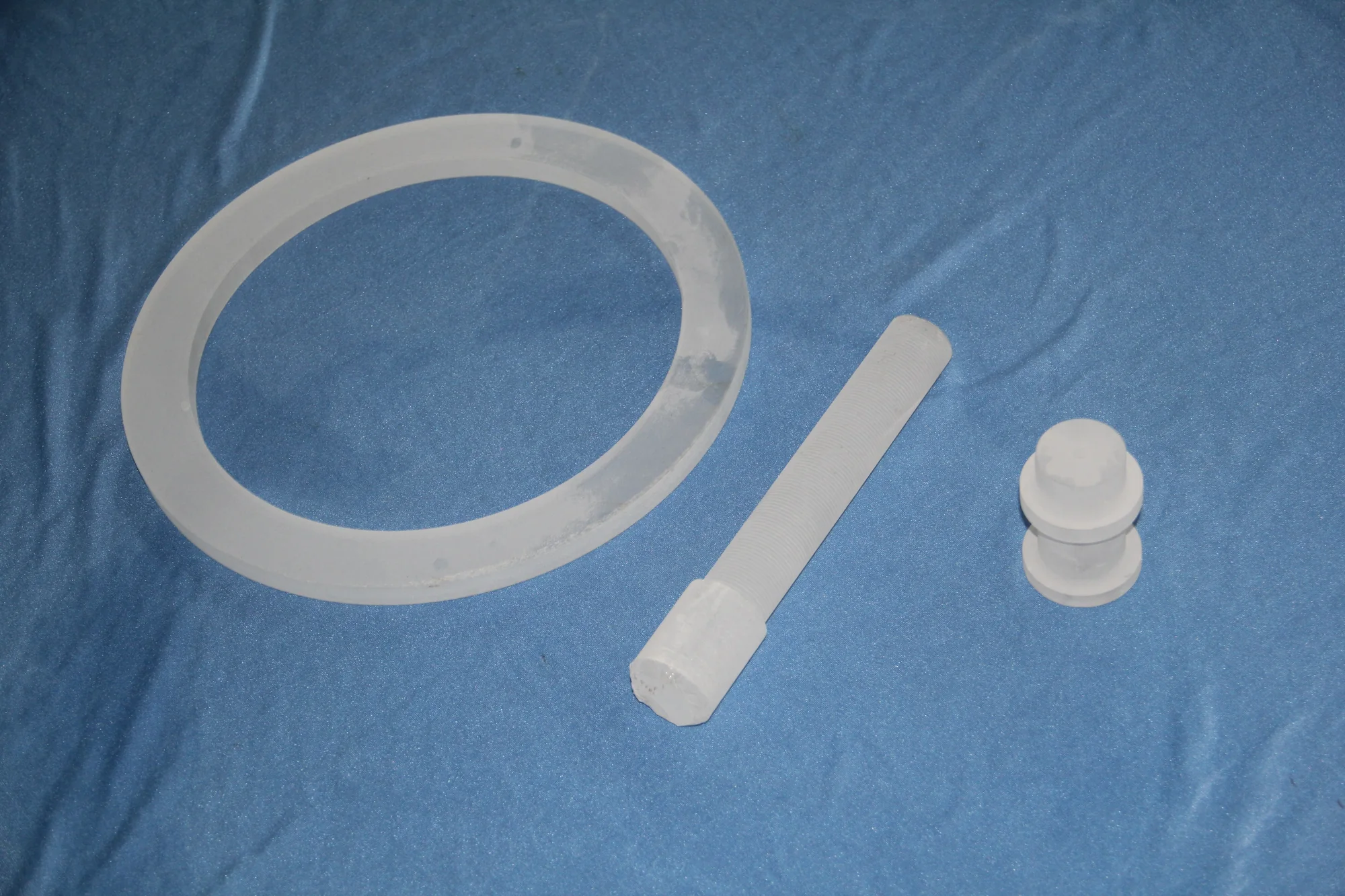
Rings, Rods & Custom Components
Custom ceramic rings, rods and precision components.
Industrial Ceramic Products: Buyer Questions
These answers explain the information needed for selection and quotation.
Which ceramic materials does RYANCERA currently supply?
RYANCERA supplies fused silica and alumina components. Material selection is based on grade, operating conditions, geometry and manufacturability.
Can Industrial Ceramic Products be made from drawings or samples?
Drawings are preferred because they define interfaces and critical features. A physical sample can support reverse-engineering review when dimensions and acceptance criteria are available.
What dimensions and tolerances are available?
Size and tolerance capability is project-specific. Send the drawing, critical characteristics and inspection method for confirmation before quotation.
What should be included in an RFQ?
Provide the drawing, material or required properties, quantity, operating temperature and atmosphere, critical dimensions, document needs and target date.
Can prototypes and repeat orders be reviewed?
Prototype and repeat-production requirements can be reviewed separately because tooling, process control, quantity and inspection may differ.
What inspection records can be supplied?
Available dimensional, material, visual and batch records depend on the project. State the required documents before quotation so feasibility can be confirmed.
Send a Drawing for Product Review
Send the latest drawing, operating conditions, preferred material or required properties, quantity, critical features and required inspection documents.