Ceramic Furnace Components
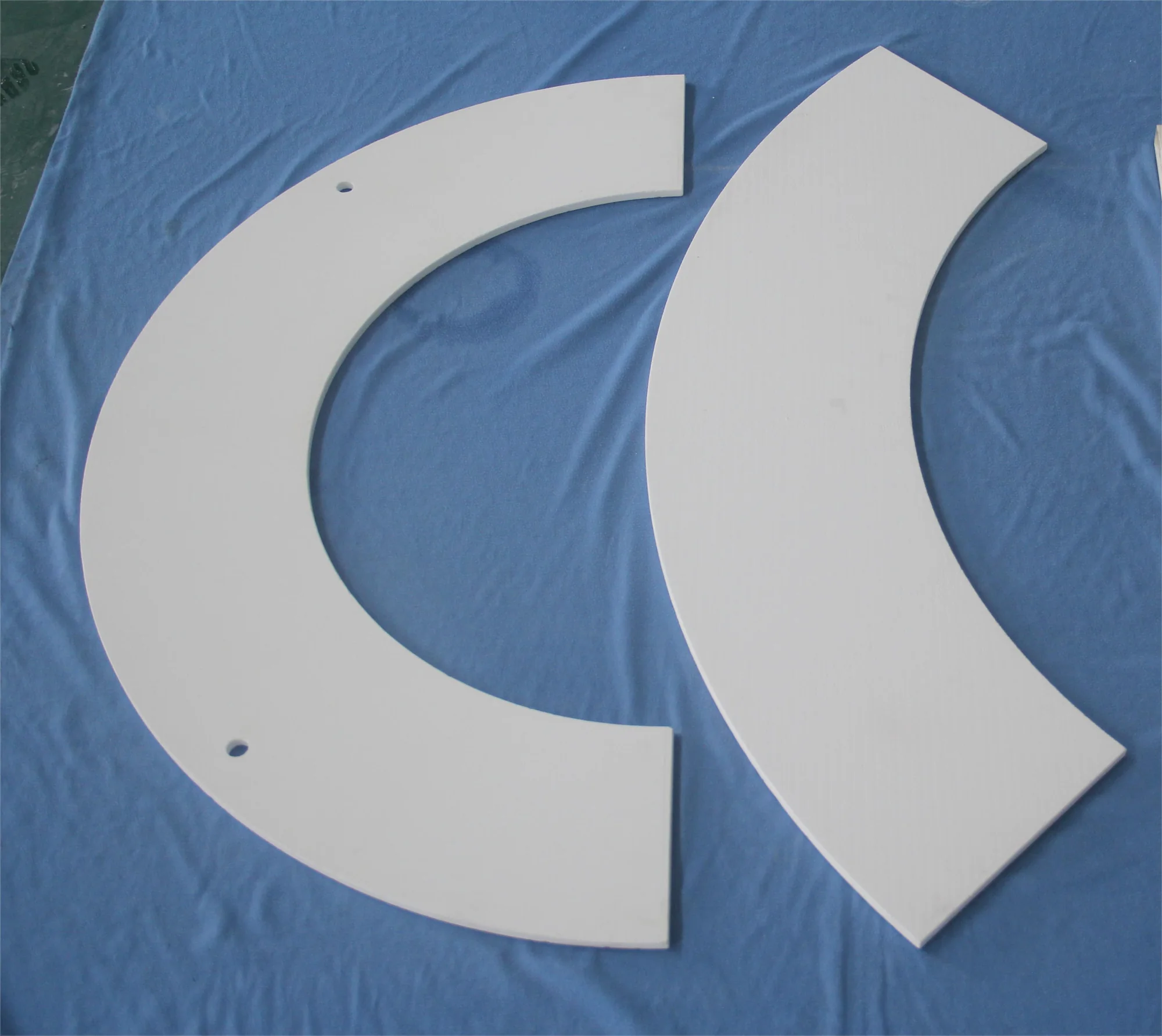
Product Example
Fused silica insulation cover plate.
Application Context
Crystal-growth or pulling-furnace assembly.
Customization
Arc, thickness, holes and interfaces from the drawing.
Before Quotation
Grade, atmosphere, thermal cycle, quantity and inspection.
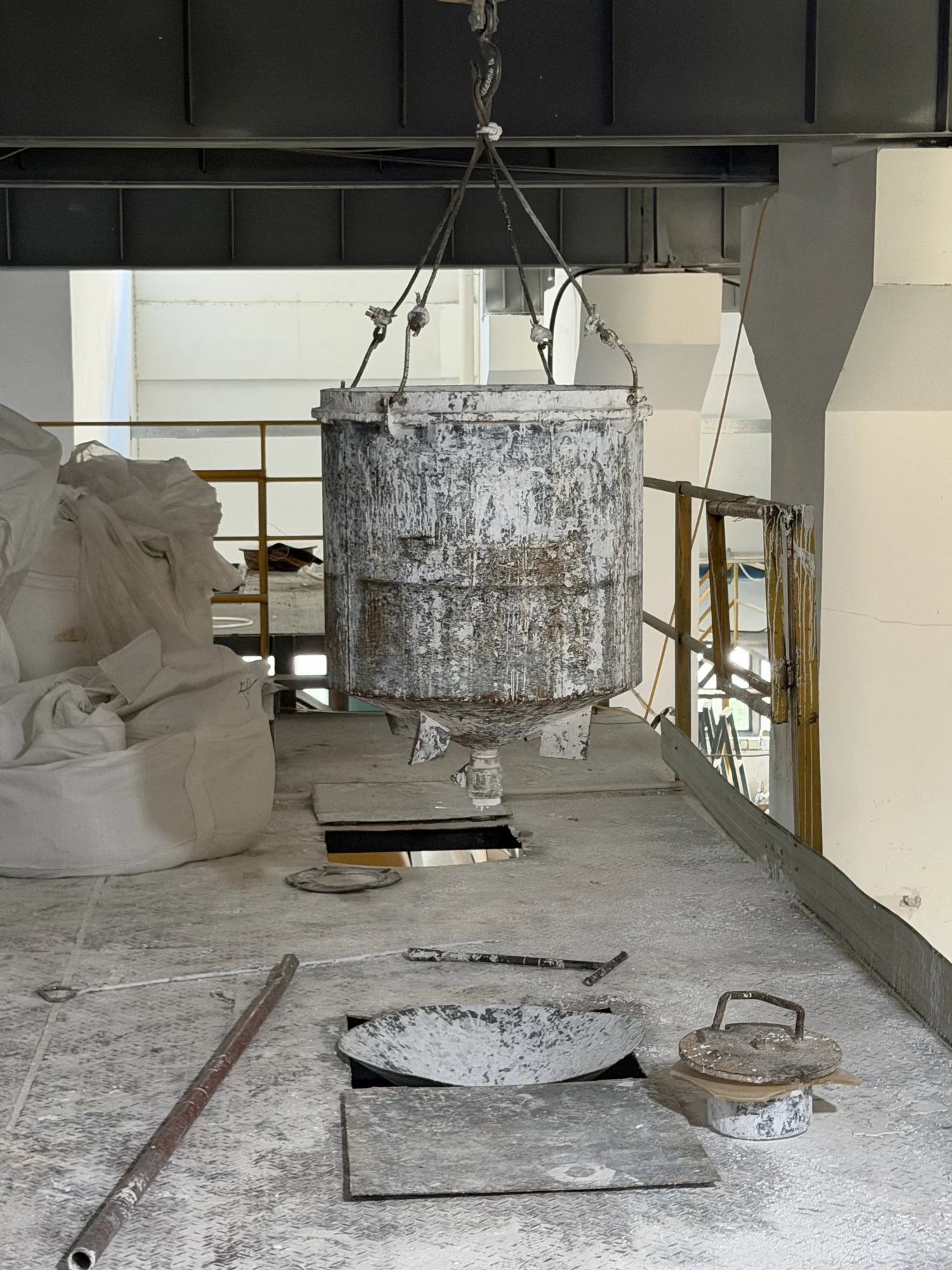
Fused Silica & Alumina Components for Industrial Furnaces
- Temperature cycle, atmosphere and supported load reviewed together
- Contact points and load distribution checked from the furnace arrangement
- Material, section thickness and support span reviewed for the process
- Inspection, handling and replacement requirements agreed before production
Common Furnace Component Forms
Product geometry and material are reviewed together against the furnace layout, temperature profile, atmosphere, support points, load and handling requirements.
Segmented or drawing-based cover geometry for crystal-growth and other furnace assemblies.
Cylindrical fused silica components reviewed for size, wall, interfaces and thermal conditions.
Custom plates, doors, cones and protective shapes reviewed against the equipment drawing.
Furnace-Component Configurations
Common configurations are shown below. Final dimensions, tolerances and features are manufactured to the approved drawing.
Specify fused silica or alumina, or share the required properties for material review. View material data →
Furnace Component RFQ & Specification Checklist
For quotation, provide the latest drawing, service conditions, order quantity, critical characteristics and required inspection documents.
Related Applications for Furnace Components
These related application pages explain the operating conditions that influence component design. Final selection is reviewed against the material grade, drawing and actual process.
Furnace doors, cover plates and supports for glass thermal-processing equipment.
Fused silica and alumina components for supports, linings and load handling.
Parts reviewed against temperature profile, atmosphere and thermal cycling.
Furnace components for continuous and batch steel heat-treatment equipment.
From Requirement Review to Production
The production route is defined after reviewing the material, geometry, quantity, critical characteristics and inspection requirements.
- 01Application and Drawing Review
Confirm the service conditions, interfaces and critical features for the Furnace Components.
- 02Material and Process Planning
Select the candidate ceramic grade and practical manufacturing route.
- 03Forming, Firing and Machining
Define the production sequence only after grade, geometry and quantity are known.
- 04Inspection and Documentation
Verify the agreed characteristics and prepare the purchase-order records.
Products, Equipment & Inspection
Review actual components, production equipment and inspection resources from the manufacturing facility.
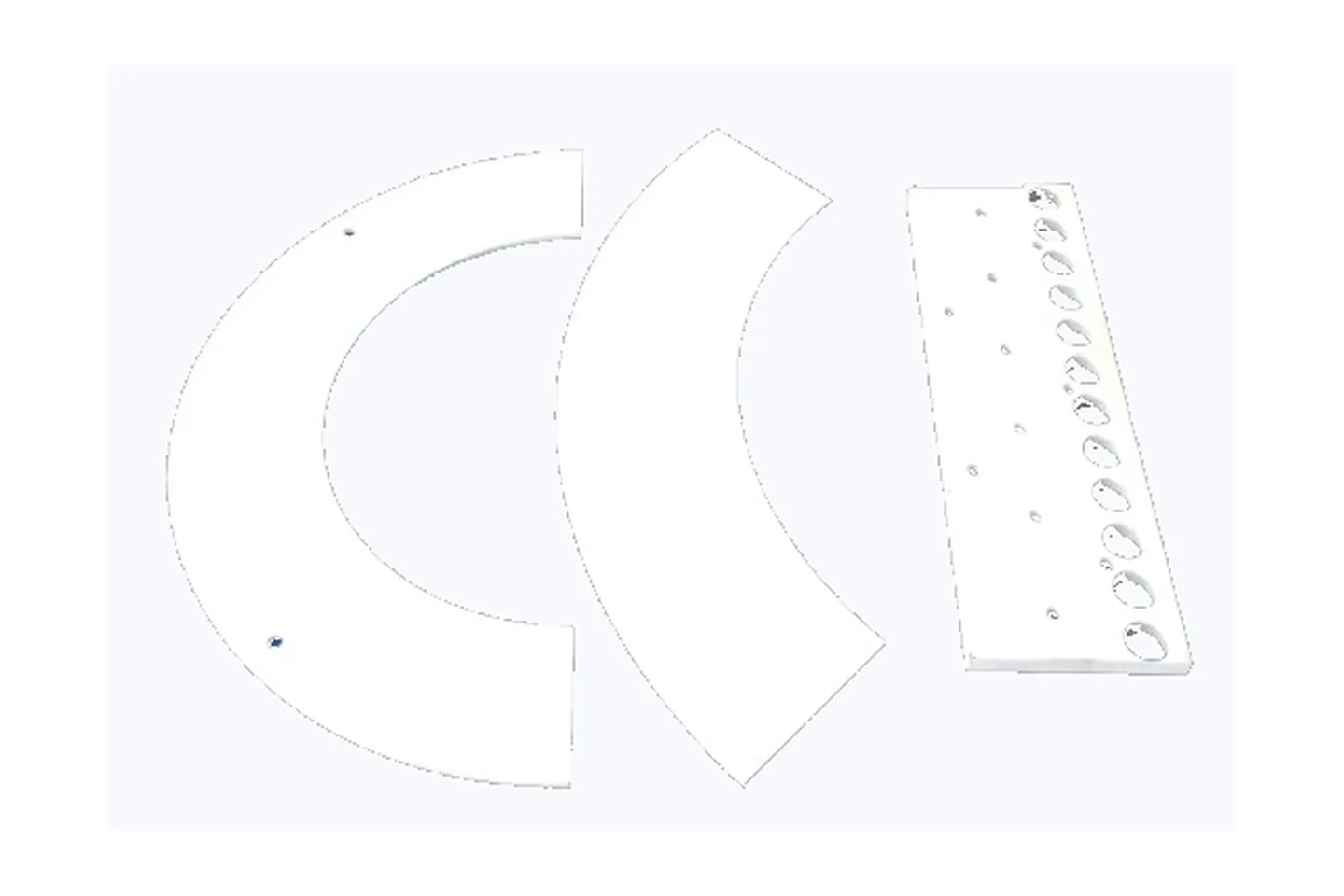
Shaped Furnace Components
Custom fused silica plates, rings and shaped furnace components.
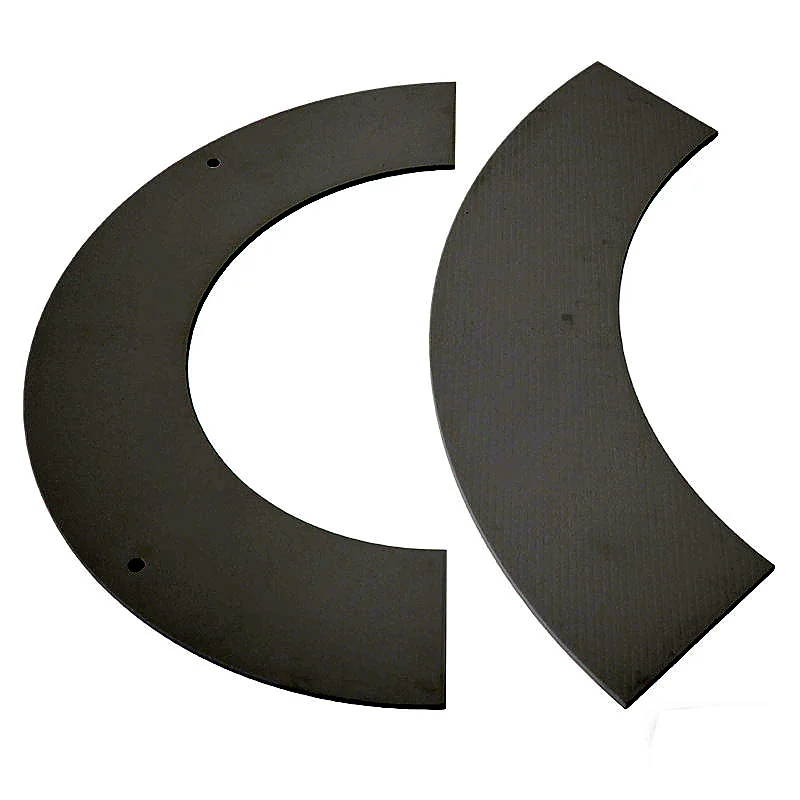
Crystal-Growth Furnace Cover
Fused silica insulation cover component for crystal-growth furnace equipment.
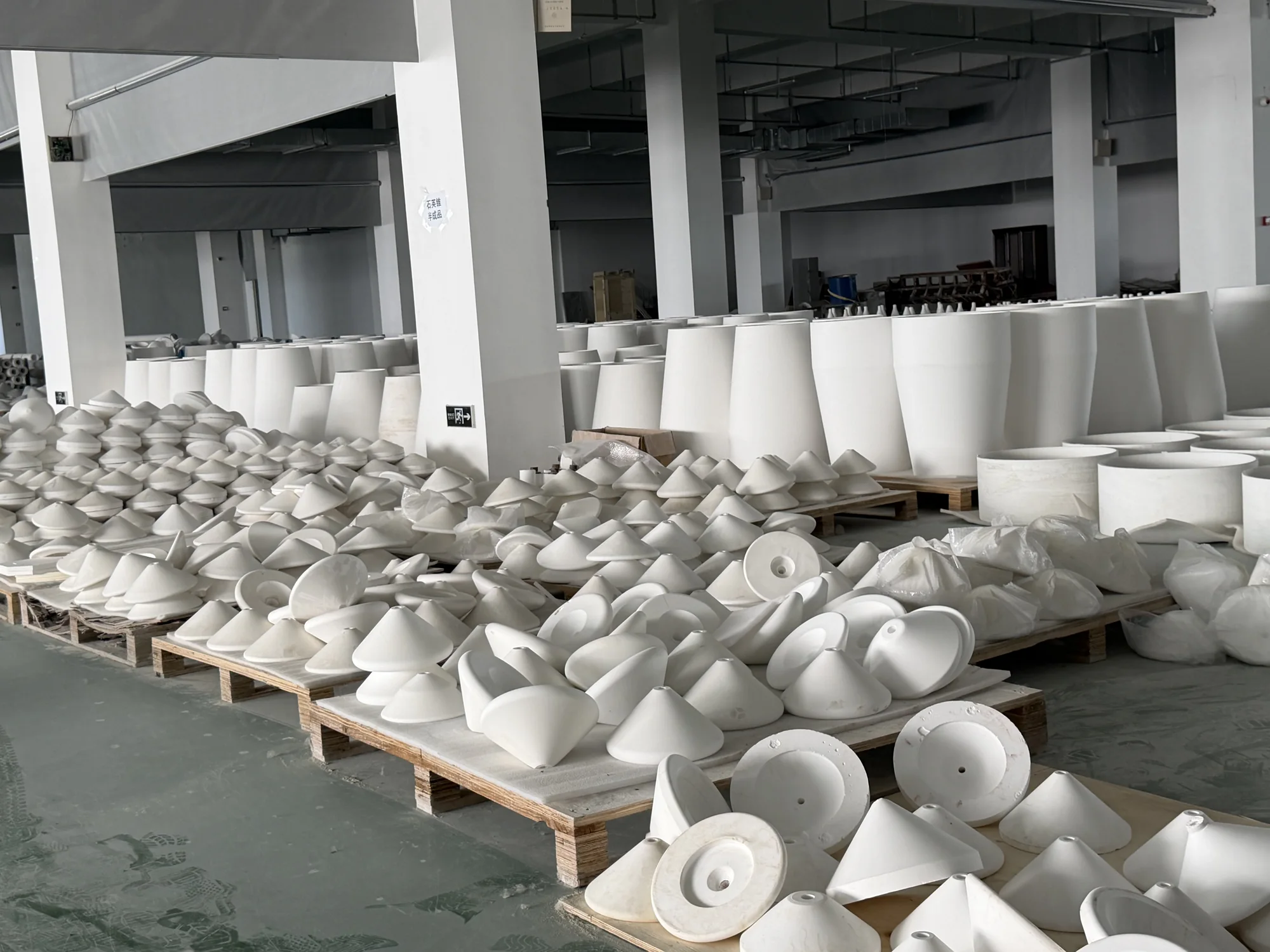
Finished Component Inventory
Finished technical ceramic components in the production workshop.
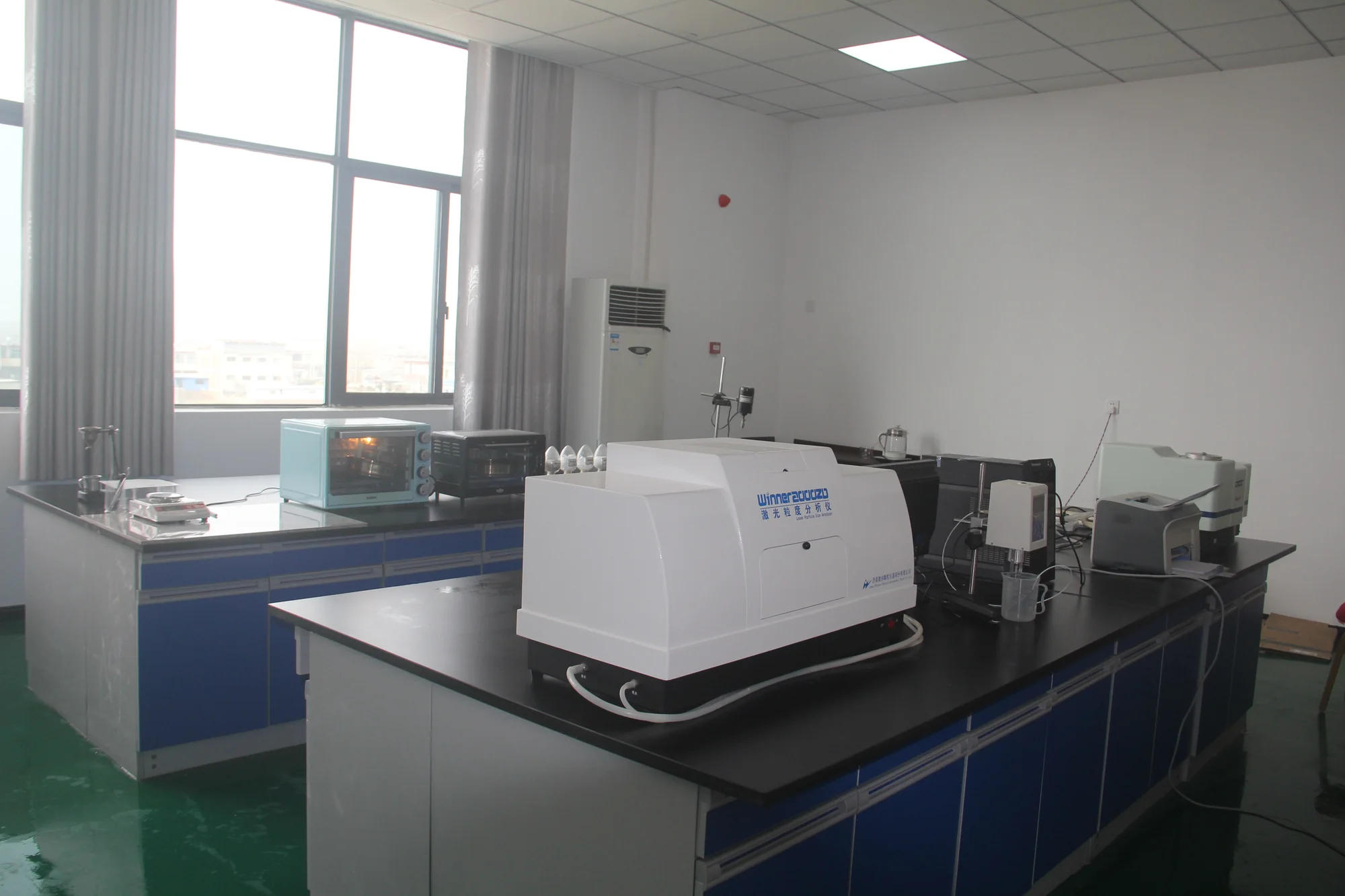
Inspection Laboratory
Laboratory equipment supporting material and quality checks.
Ceramic Furnace Components: Buyer Questions
Answers to common questions from engineering and purchasing teams.
Which furnace component forms can be reviewed?
Available forms include cover plates, guide tubes, barrels, furnace doors, feeders, supports, linings and custom shaped parts in fused silica or alumina.
How is the material selected for a furnace component?
Selection depends on continuous and peak temperature, atmosphere, load, thermal cycling, support geometry, contamination limits and the component drawing.
What furnace information should be included in an RFQ?
Provide the equipment or assembly drawing, component revision, temperature profile, atmosphere, load, support points, contact materials, cleanliness requirements, quantity and inspection documents.
Can large or segmented furnace components be manufactured?
Large and segmented forms can be reviewed from the furnace layout and component drawing. Feasibility depends on material, section thickness, support span, interfaces, handling and production route.
How are cleanliness, contact surfaces and packaging handled?
State the contamination limits, product-contact surfaces, cleaning method and packaging requirements before quotation so they can be included in the production and inspection plan.
What inspection records can be supplied?
Available records may include agreed dimensional, visual, material, cleanliness and batch documents. List the required reports and acceptance criteria in the RFQ.
Discuss Your Ceramic Furnace Components Requirement
Send the latest drawing, operating conditions, preferred material or required properties, quantity, critical features and required inspection documents.