From Drawing to Finished Ceramic Component
Manufacturing planning connects material, geometry, firing, finishing and inspection before production begins.
A drawing-led manufacturing workflow
The route changes with material, form, tolerance, quantity and required evidence.
Real production evidence
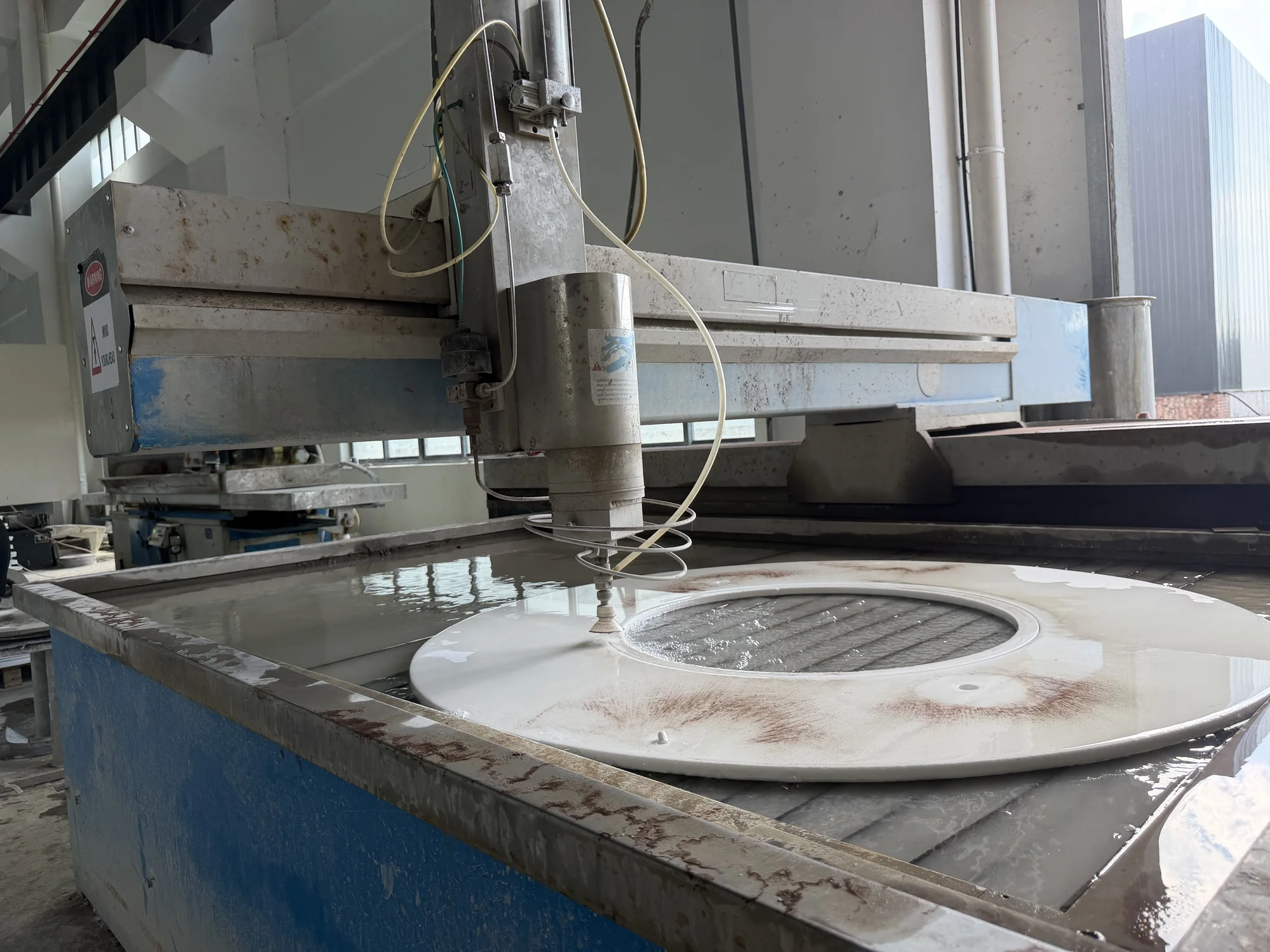
A selection of current machining, workshop and process images.
What changes from part to part
Technical ceramic production is not a single universal route. The drawing determines which operations, controls and evidence are practical.
- Material family and starting form
- Wall thickness, bores, end geometry and machining access
- Fired versus finished dimensions and datum strategy
- Prototype or repeat quantity and tooling logic
- Inspection, packaging and shipment documentation
Manufacturing Questions
Answers based on the current RYANCERA material and project scope.
Can you manufacture from a drawing or sample?
Drawings are preferred because they define dimensions, tolerances and interfaces. A complete sample can support review when drawing data is unavailable.
Can fired ceramic parts be machined?
Machining feasibility depends on material, geometry, access, tolerance, surface and quantity.
Do you support prototypes and repeat production?
Prototype and repeat-production requirements are reviewed separately so tooling, inspection and process controls fit the project stage.
What files should be sent?
Send a PDF drawing plus available 2D or 3D data, revision, material, quantity, operating conditions and inspection requirements.
Send a drawing for manufacturability review
Send the drawing, operating conditions, quantity and required inspection records for review.