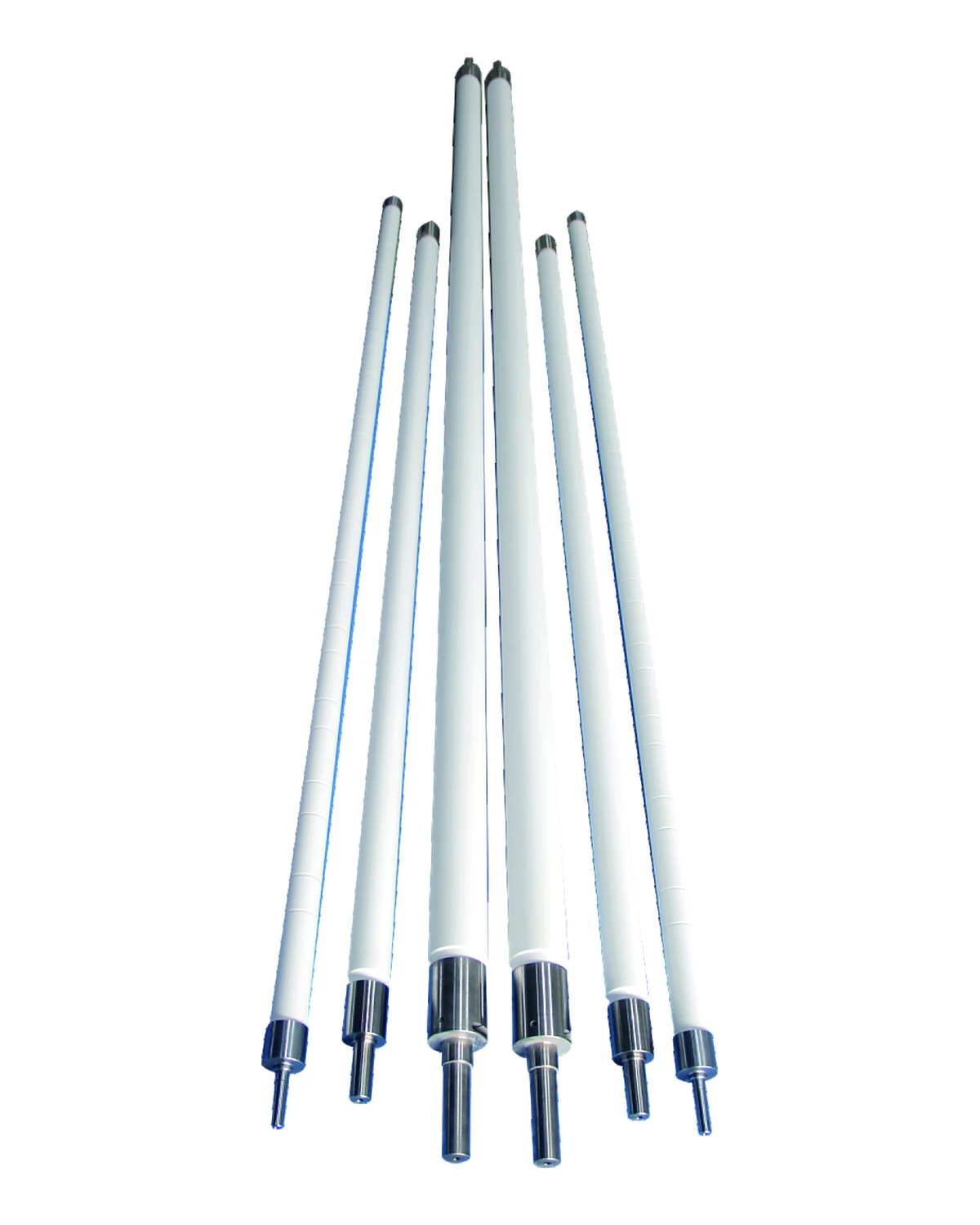
Fused Silica Ceramic Components
Low-expansion ceramic rollers, plates and shaped components for thermal-process equipment and rapid temperature change.

Low expansion for demanding thermal cycles
Fused silica is the primary material in the current roller and thermal-process component range. The final grade and component route are reviewed against temperature cycle, load, atmosphere and geometry.
- Rollers for glass, furnace and heat-treatment equipment
- Plates, furnace tables, covers and shaped thermal components
- Large hollow forms and custom end geometry
- Radome and nose-cone component forms within the public scope
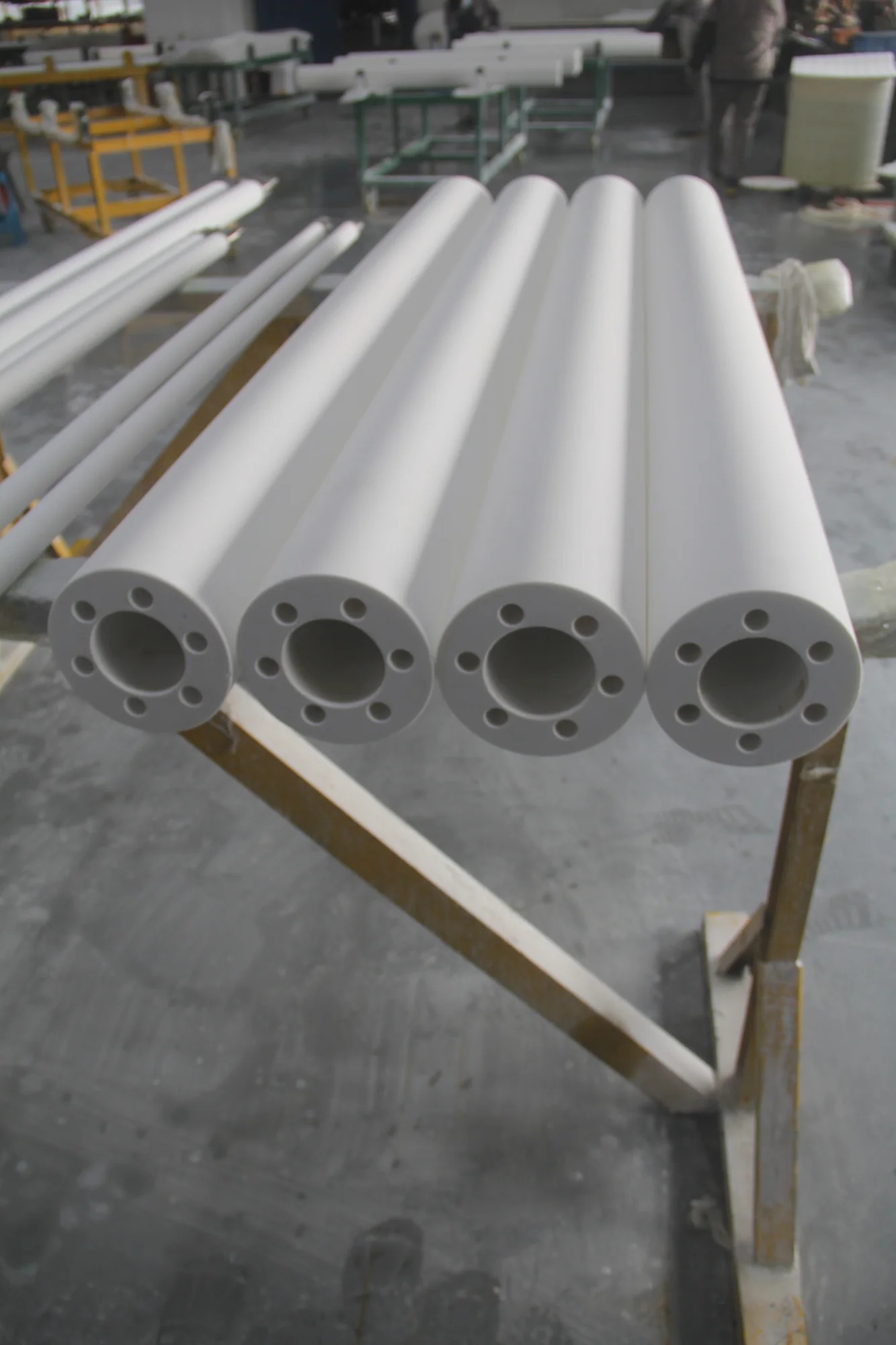
Fused silica hollow roller componentsForms reviewed in this material
Geometry and operating conditions are reviewed together because they affect the practical process route.
Information that changes the recommendation
Final suitability is confirmed against the project drawing and service environment.
Current production examples
These images show component forms and workshop evidence within the current supply scope.
Fused Silica Questions
Answers based on the current RYANCERA material and project scope.
Why is fused silica used for ceramic rollers?
Its low thermal expansion makes it a useful starting point for rollers exposed to repeated heating and cooling. Final selection still depends on load, geometry and line conditions.
Can fused silica rollers include metal end fittings?
End fittings and interfaces can be reviewed from the equipment drawing, torque, alignment and operating cycle.
Can fused silica be made as plates and shaped parts?
Yes, the current scope includes plates, furnace tables, covers, rings and custom shaped components.
What should be sent for review?
Send the drawing, temperature cycle, load, atmosphere, quantity, interfaces and required inspection records.
Discuss a fused silica component
Send the drawing, operating conditions, quantity and required inspection records for review.