Ceramic Rods & Roller Components
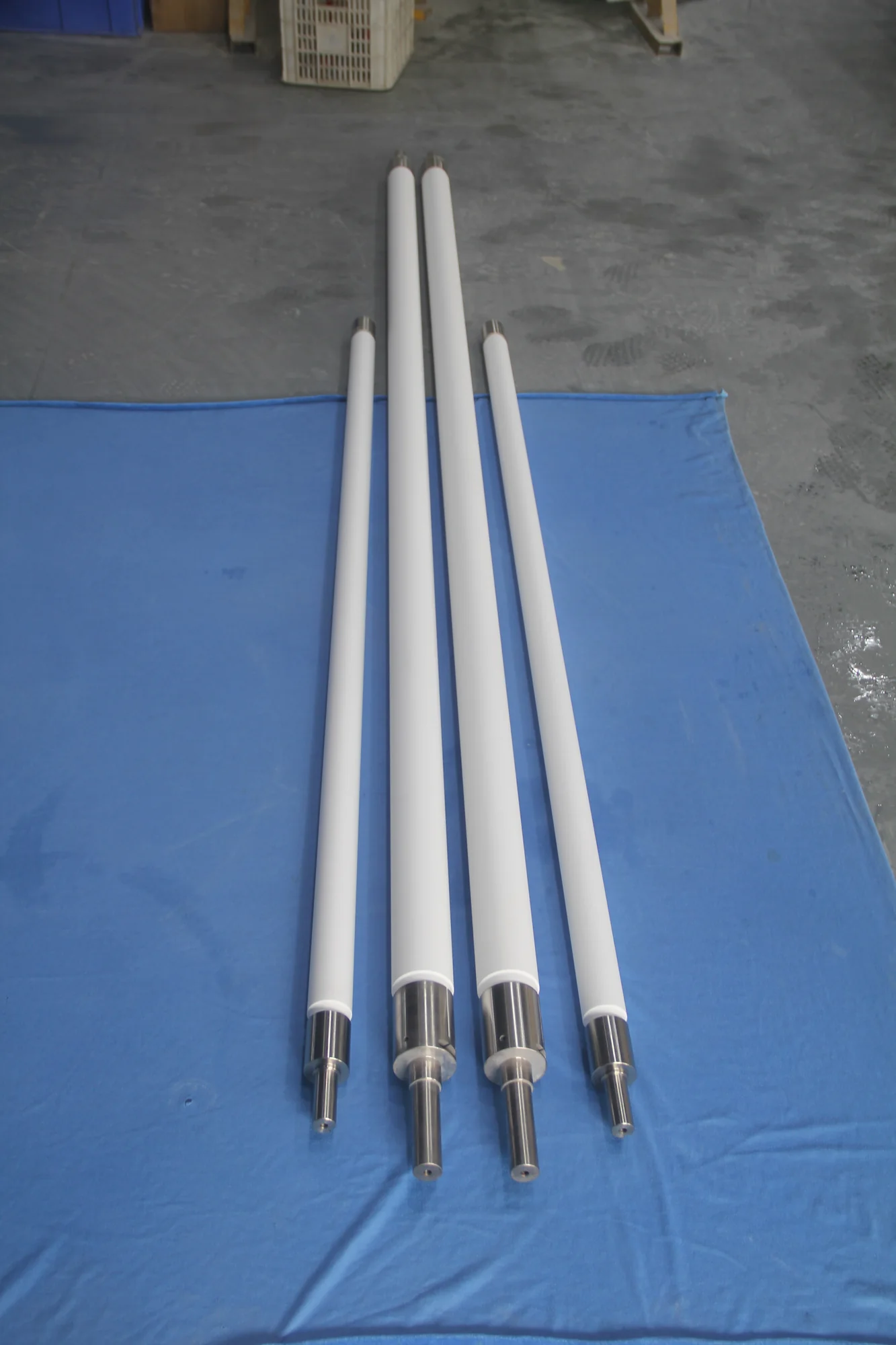
Rods, roller bodies and cylindrical components are reviewed for length, diameter, ends, straightness, metal interfaces, operating temperature and load.
Available Materials
Fused silica and alumina.
Supply Basis
Drawing or physical sample review.
Customization
Geometry, ends, holes and machining by project.
Quality
Critical dimensions and documentation agreed before production.
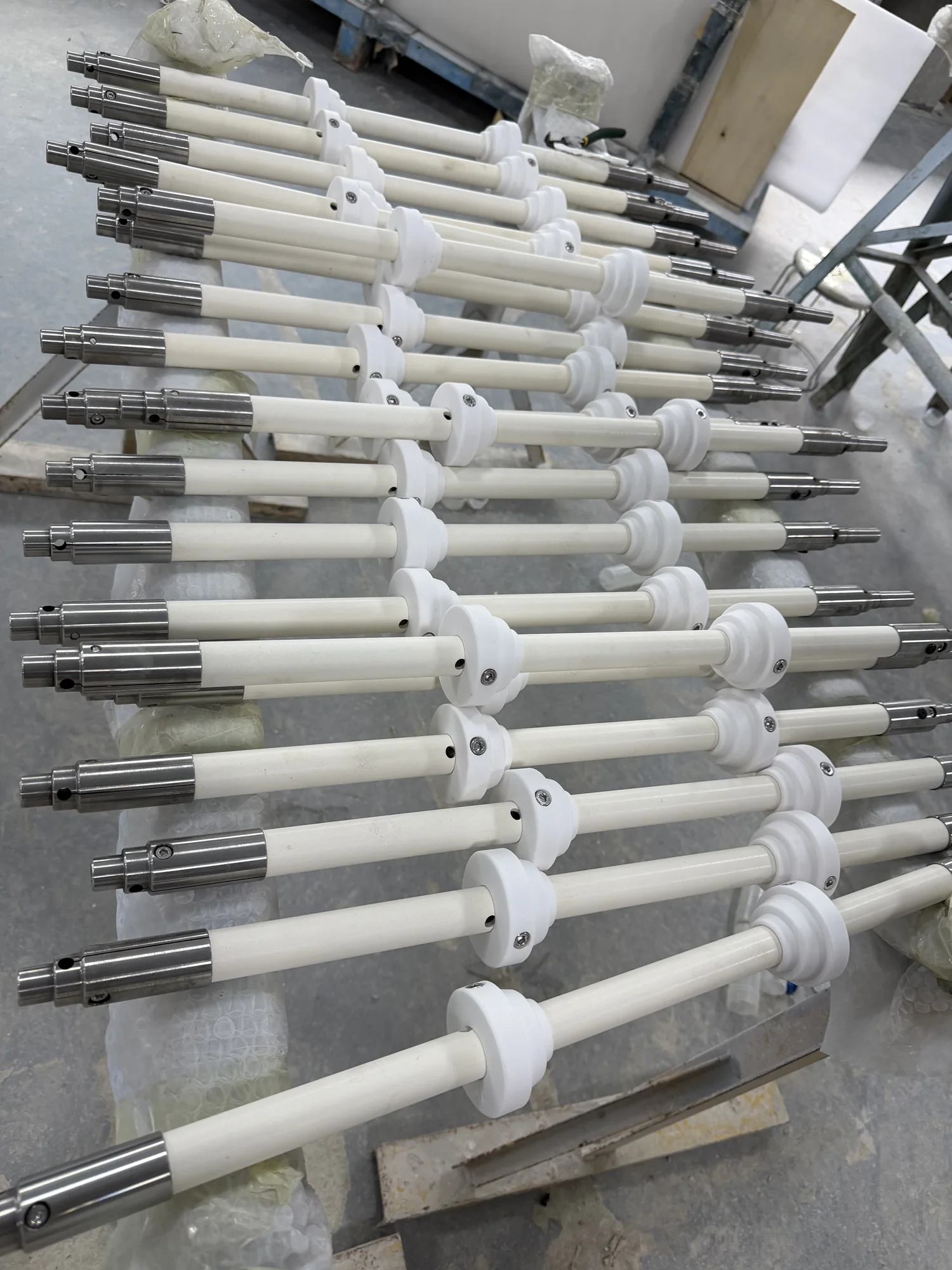
Long Ceramic Rollers, Rods and End Interfaces
Fused silica and alumina rods, long roller bodies and cylindrical components are manufactured around overall length, diameter, straightness, end geometry and equipment interfaces. Fused silica rollers can be supplied with multiple end-fitting designs; final tolerances and inspection methods are defined by the approved drawing.
- Rod material selected from mechanical, thermal, wear and electrical duty
- Diameter, length and straightness reviewed with the support condition
- Steps, threads, flats, holes and end details checked for manufacturability
- Critical fits and inspection methods agreed before production
Material Options for Ceramic Rods & Roller Components
Material selection depends on temperature, load, support span, straightness, wear, electrical requirements and part geometry. The final grade is confirmed during drawing and application review.
Final selection depends on grade, geometry and service conditions.
Rod & Long-Roller Configurations
Common configurations are shown below. Final dimensions, tolerances and features are manufactured to the approved drawing.
Specify fused silica or alumina, or share the required properties for material review. View material data →
Ceramic Rod RFQ & Specification Checklist
For quotation, provide the latest drawing, service conditions, order quantity, critical characteristics and required inspection documents.
Related Applications for Ceramic Rods
These related application pages explain the operating conditions that influence component design. Final selection is reviewed against the material grade, drawing and actual process.
Long rollers and rods for glass conveying and heat-treatment lines.
Rods and cylindrical supports for high-temperature furnaces and kilns.
Components reviewed for thermal cycling, straightness and support span.
Long ceramic rollers and rods for steel-strip heat-treatment equipment.
From Requirement Review to Production
The production route is defined after reviewing the material, geometry, quantity, critical characteristics and inspection requirements.
- 01Application and Drawing Review
Confirm the service conditions, interfaces and critical features for the Ceramic Rods.
- 02Material and Process Planning
Select the candidate ceramic grade and practical manufacturing route.
- 03Forming, Firing and Machining
Define the production sequence only after grade, geometry and quantity are known.
- 04Inspection and Documentation
Verify the agreed characteristics and prepare the purchase-order records.
Products, Equipment & Inspection
Review actual components, production equipment and inspection resources from the manufacturing facility.
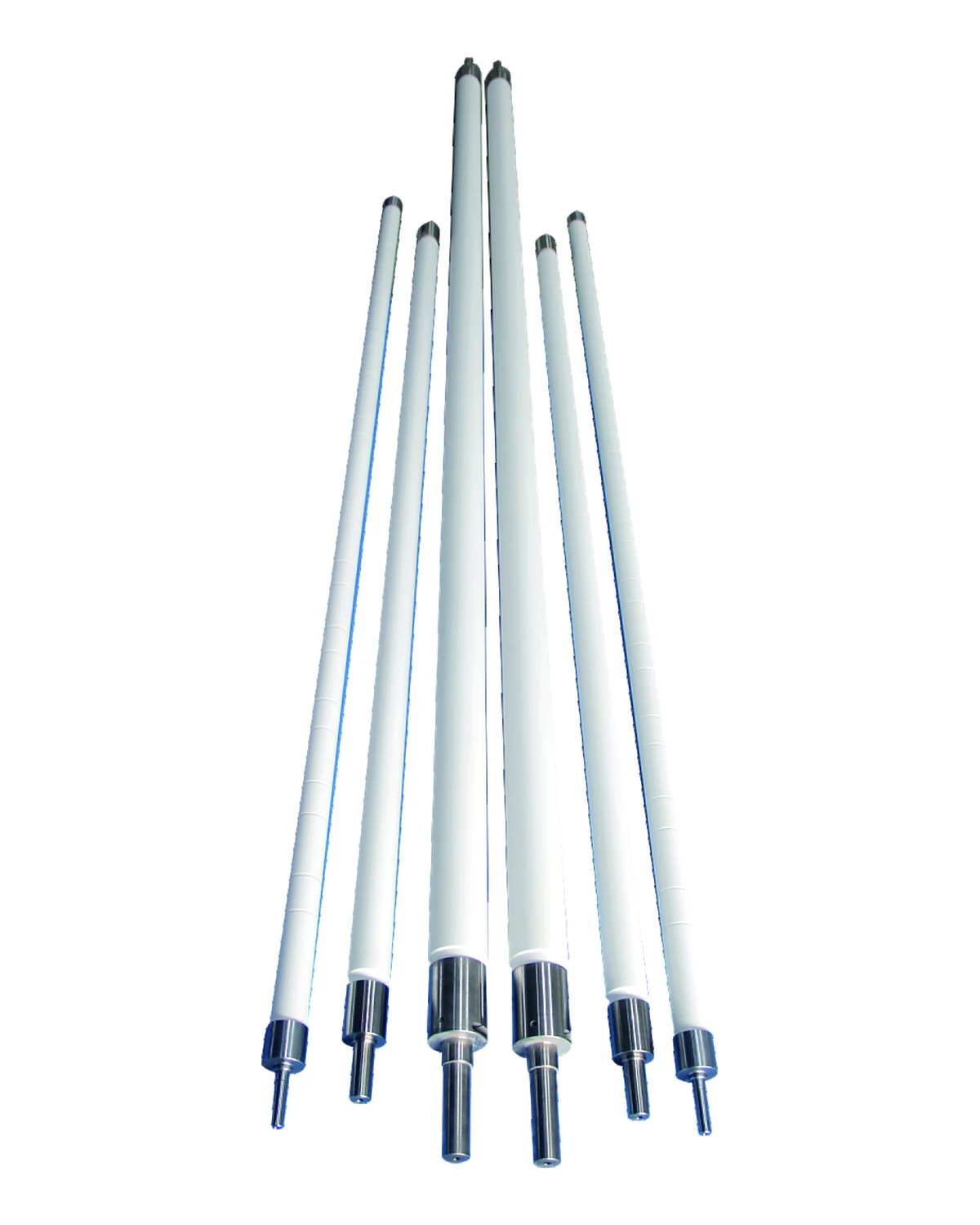
Long Rollers with End Fittings
Long fused silica ceramic rollers with metal end fittings.
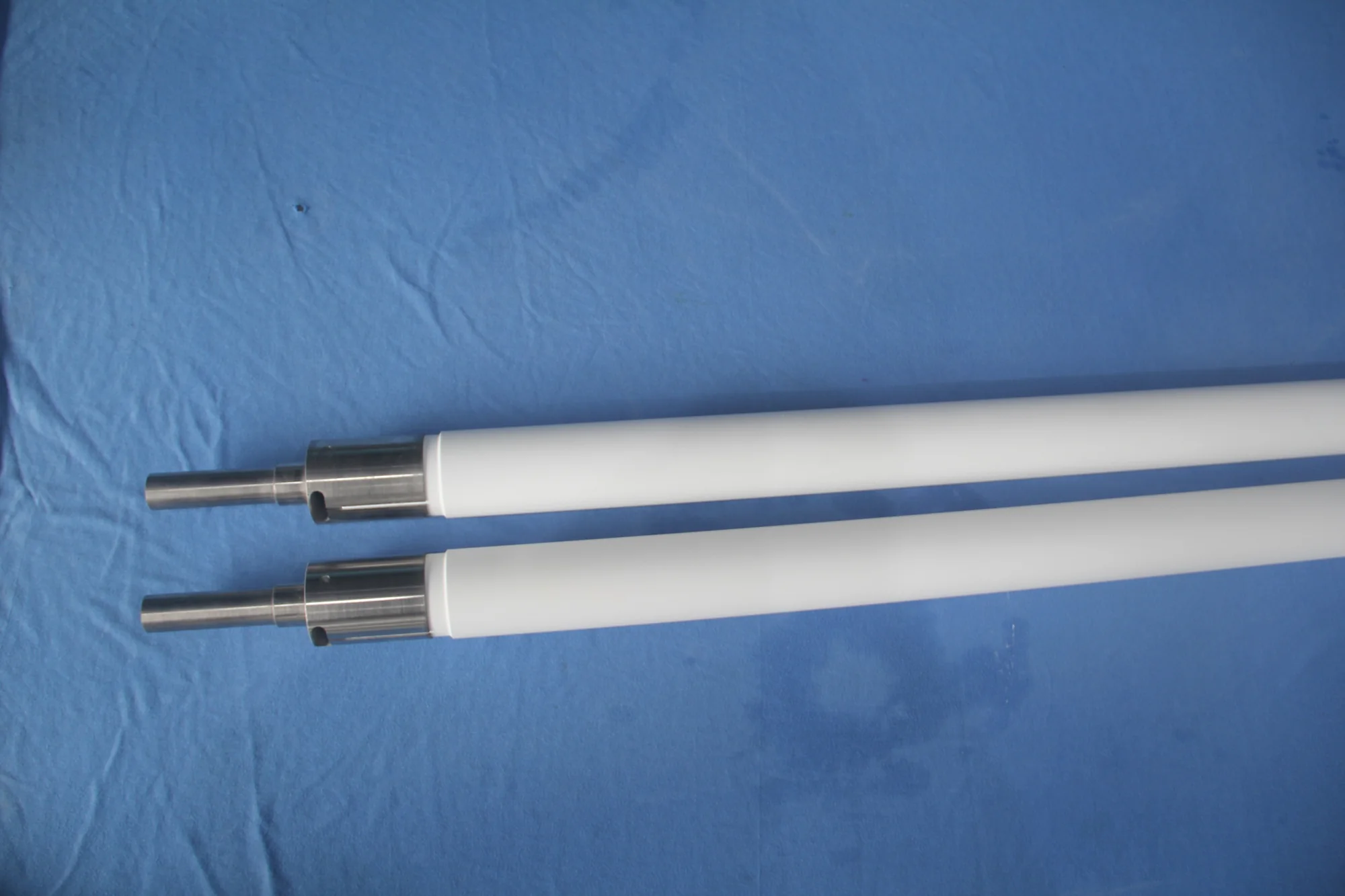
Finished Roller Surface & Ends
Close-up of finished roller surfaces and assembled end fittings.
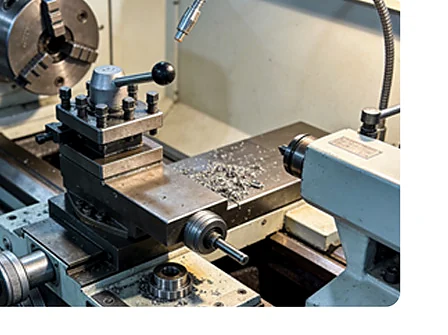
Precision Lathe Machining
Lathe machining at the technical ceramics production facility.
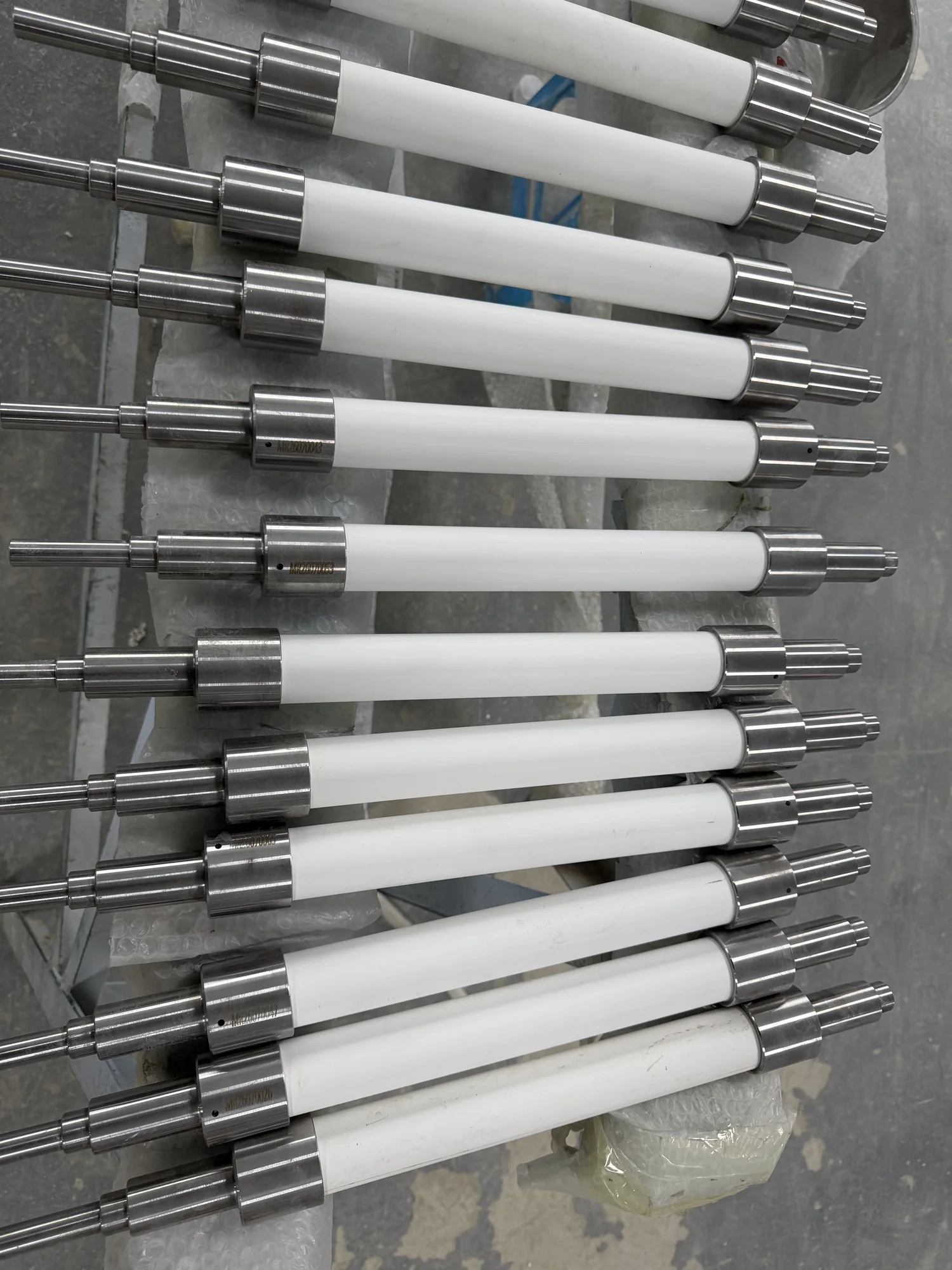
Finished Roller Batch
Multiple finished ceramic rollers at the factory.
Ceramic Rods & Roller Components: Buyer Questions
Answers to common questions from engineering and purchasing teams.
Which materials are available for ceramic rods and long rollers?
RYANCERA currently supplies fused silica and alumina components. Material selection depends on temperature, load, support span, wear, electrical requirements and the drawing.
How are straightness and roundness specified for long ceramic parts?
State the required value, datum, working length, support condition and inspection method. Requirements should reflect the actual equipment function and handling arrangement.
Can custom steps, holes and end interfaces be machined?
Steps, flats, holes, threads and custom end interfaces can be reviewed from the drawing. Feature position, edge conditions, fits and inspection requirements must be defined.
Can metal end fittings be assembled to ceramic rollers?
Metal interfaces and assembled end fittings can be reviewed from the equipment drawing. Material, fit, attachment method, alignment and runout requirements must be agreed before quotation.
Can prototypes and repeat-production batches be supplied?
Prototype and repeat-production requirements are reviewed separately because tooling, process control, order quantity and inspection planning may differ.
What inspection records can be supplied?
Available records may include agreed dimensional, straightness, roundness, runout, visual, material and batch documents. List the required reports in the RFQ.
Discuss Your Ceramic Rods & Roller Components Requirement
Send the latest drawing, operating conditions, preferred material or required properties, quantity, critical features and required inspection documents.