PROJECT REVIEW PROCESS
From Drawing to Technical Ceramic RFQ
A buyer-focused review process for custom fused silica and alumina components manufactured from drawings or supported by physical samples.
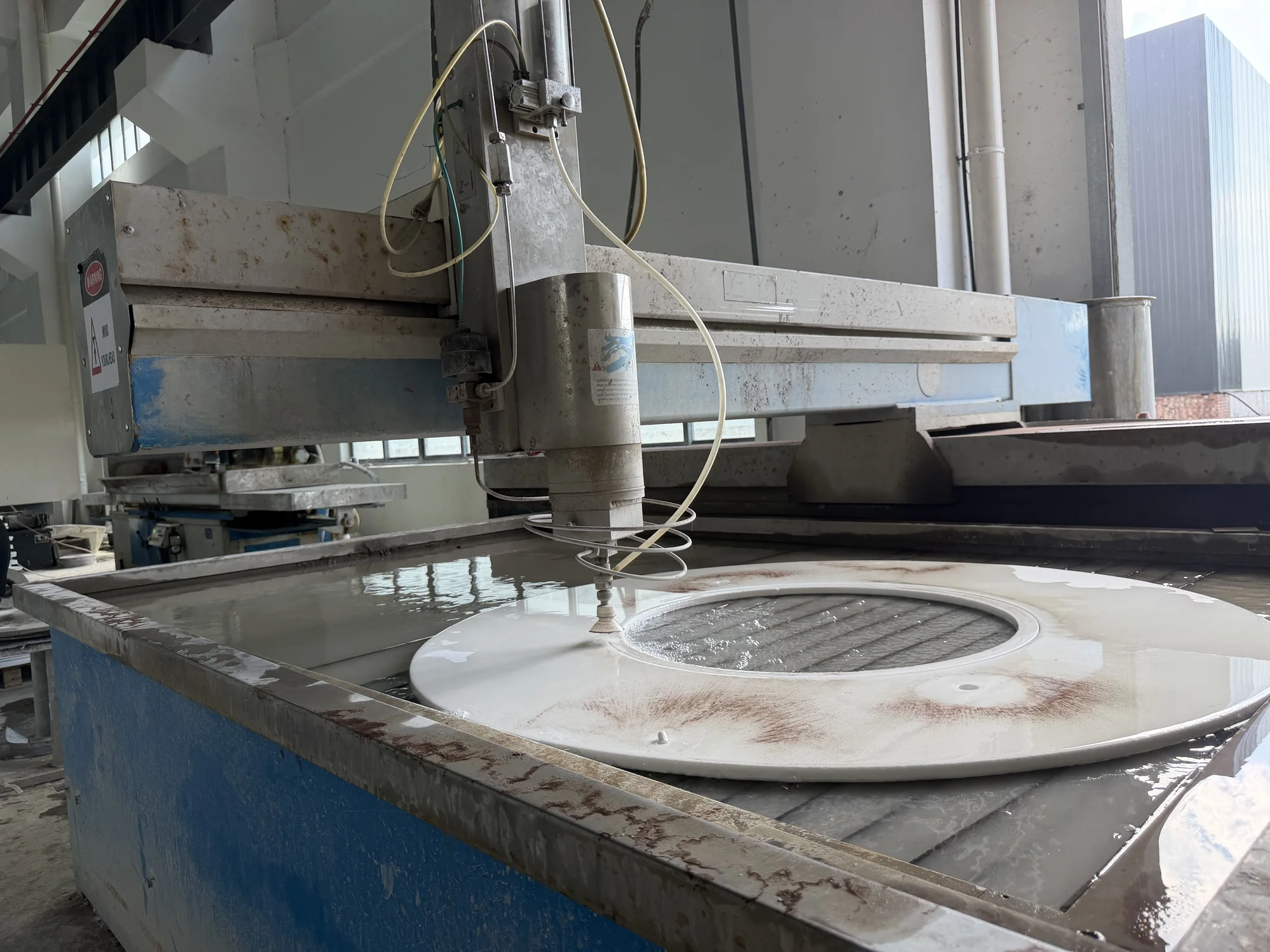
BEFORE QUOTATION
Six checks that make a ceramic quotation more useful
Technical ceramics are sensitive to material grade, geometry, firing and finishing route. A structured first review helps identify risks before the commercial scope is fixed.
Application
Define operating temperature, atmosphere, load, cycling, media and current failure mode.
Material
State fused silica, alumina or the properties that must be prioritized.
Drawing
Provide the latest revision, interfaces, tolerances and datum scheme.
Manufacturing
Review form, wall thickness, bores, end geometry and features requiring machining.
Inspection
Agree the critical characteristics, method, sampling and required records.
Commercial scope
Confirm prototype or repeat quantity, destination, target date and packaging needs.
RFQ CHECKLIST
Information to send with the first enquiry
| Input | Useful detail | Why it matters |
|---|---|---|
| Drawing or model | PDF plus available 2D/3D data and revision | Defines geometry, interfaces and critical features. |
| Material request | Fused silica, alumina, known grade or required properties | Prevents assumptions across different ceramic grades. |
| Operating conditions | Temperature, atmosphere, load, cycling and contact media | Supports application and material review. |
| Inspection | Critical dimensions, datum, surface condition and record format | Aligns manufacturing and acceptance methods. |
| Commercial | Prototype/repeat quantity, target date, destination and packaging | Defines tooling, production and shipment scope. |
A physical sample helps, but it does not replace acceptance criteria. When a complete drawing is unavailable, include measurable dimensions, mating interfaces, operating history and the features that must be preserved.
DRAWING REVIEW
Critical features should be visible before price is final
Long rollers and hollow tubes may require review of working length, end fittings, concentricity, straightness or runout, surface condition and support interfaces. Plates and shaped furnace components may depend on thickness, flatness, hole position, radii and assembly clearances.
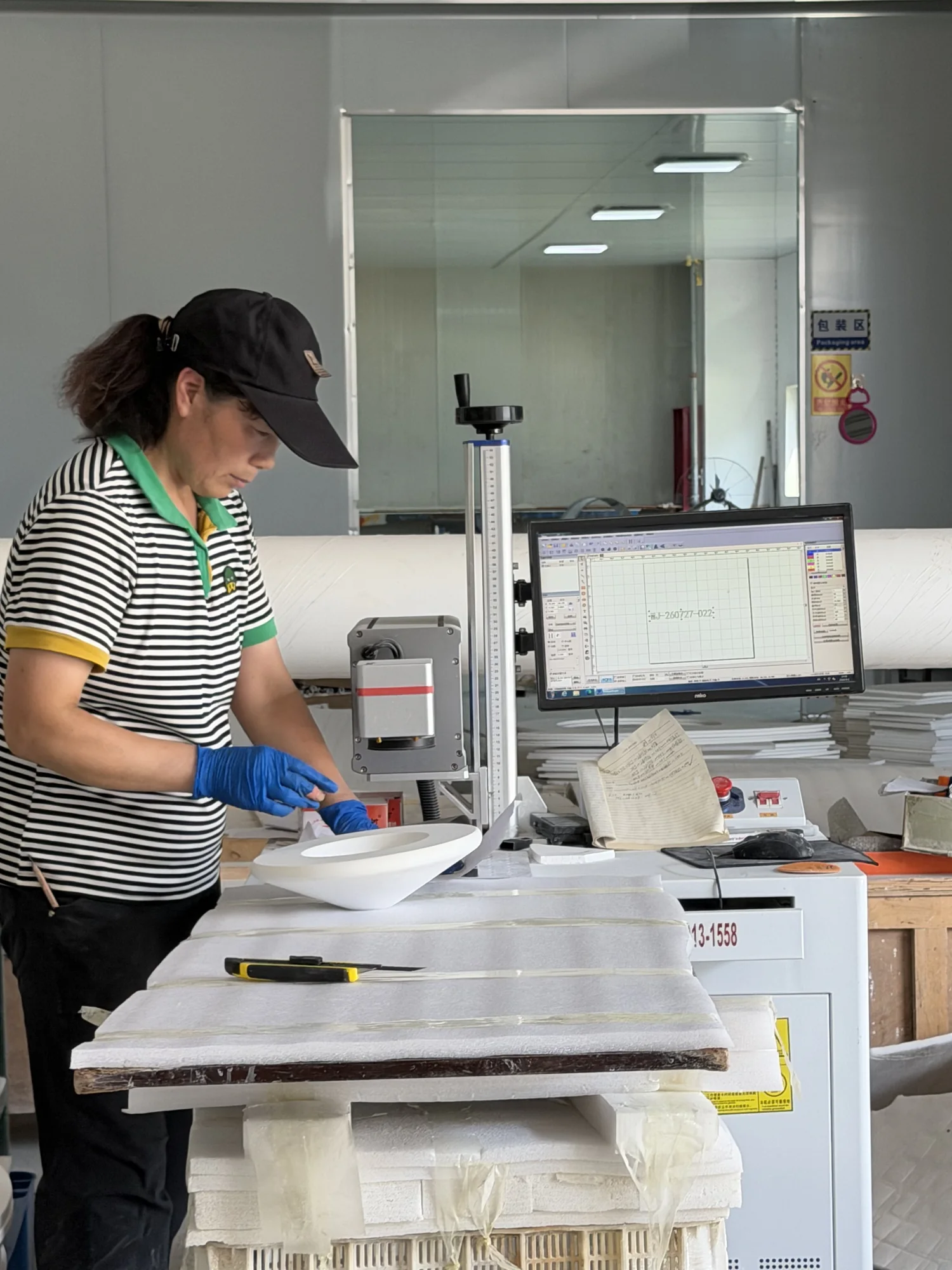
READY FOR REVIEW
Send a drawing, sample or problem statement
If material is not yet selected, describe the application and failure concern. The review can start from the required function rather than a guessed grade.